
 82
82

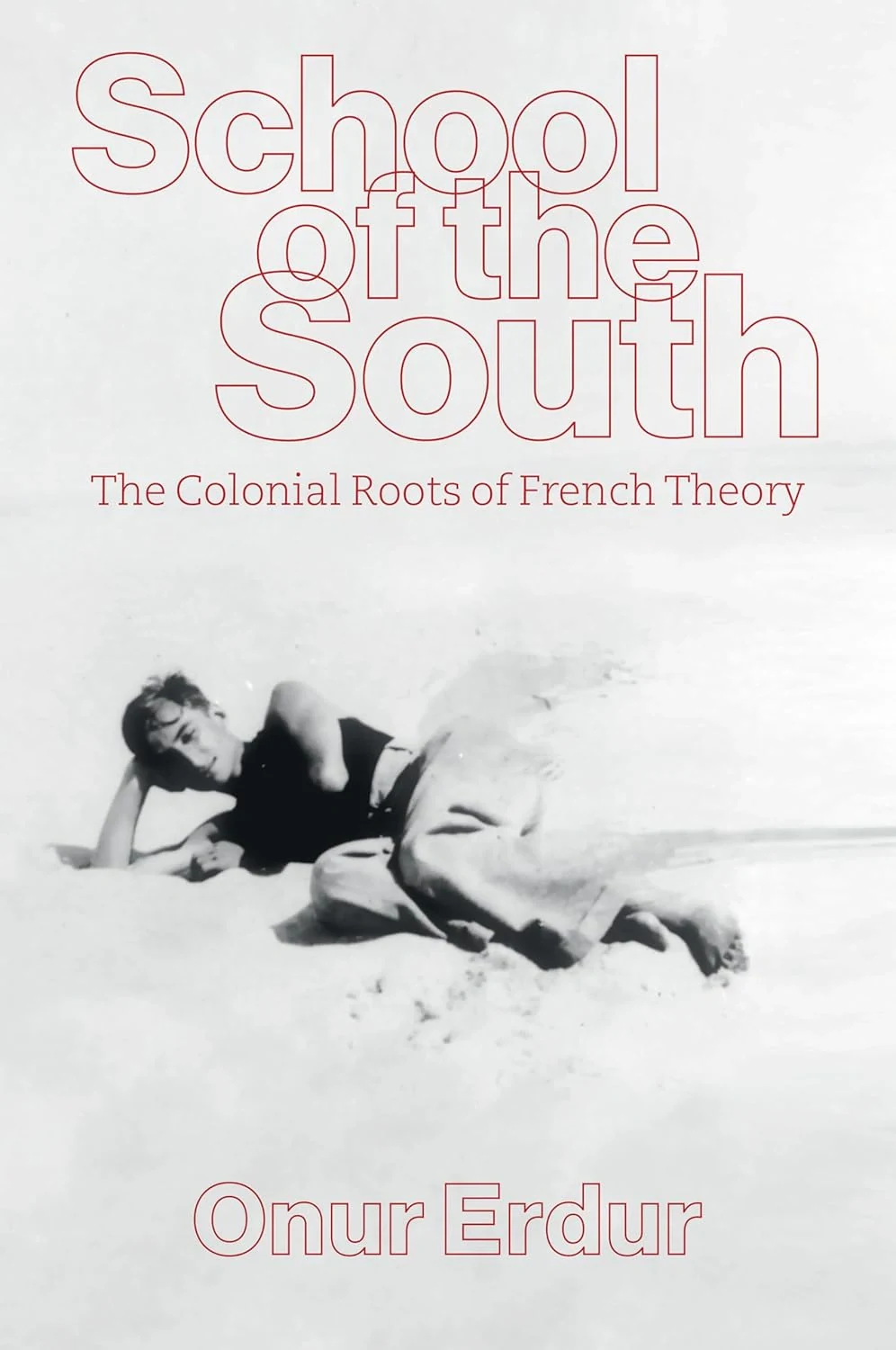
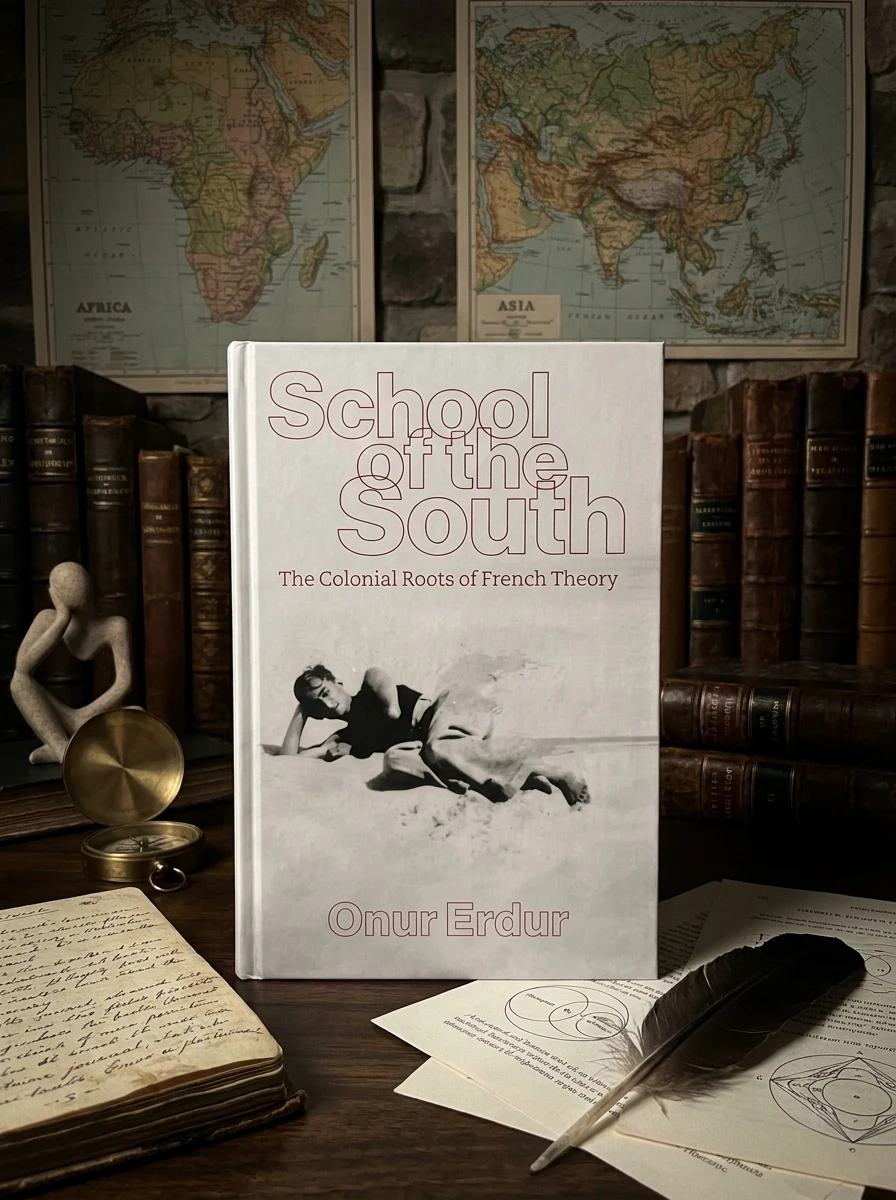
School of the South. The Colonial Roots of French Theory
Вплив французького колоніалізму в North Africa на формування ідей провідних інтелектуалів золотого віку.
У дослідженні «School of the South. The Colonial Roots of French Theory» Онур Ердур розглядає колоніальні витоки французької теорії крізь біографії вісьмох мислителів. Замість паризьких аудиторій ключові концепції народжувалися під час зіткнень із колоніальним життям у Tunis, Algiers та Casablanca. Видання зацікавить дослідників філософії та колоніалізму.
Книга автора на ім'я Онур Ердур у перекладі, який здійснив Ендрю Браун, вийшла у видавництві Polity у 2026 році.


📝 Опис книги: School of the South. The Colonial Roots of French Theory
Michel Foucault, Pierre Bourdieu, Roland Barthes, Jacques Derrida, Hélène Cixous, Jean-François Lyotard, Étienne Balibar, Jacques Rancière: these were among the luminaries of France's golden age of theory from the 1960s to the 1990s. What is less well known is that all of these thinkers spent time in North Africa and their ideas were shaped by their encounters with French colonialism. In his remarkable history of ideas in eight portraits, Onur Erdur uncovers the colonial roots of French theory.
Erdur's search for these colonial roots leads him to Algiers, where the young Pierre Bourdieu did his military service in the middle of the Algerian war; to the coastal village of Sidi Bou Said, north of Tunis, where Michel Foucault developed an attitude of philosophical hedonism between sunbathing and walks on the beach; and to Casablanca, where Roland Barthes fantasized about becoming a novelist. How did these intellectuals end up in these colonial situations? How did they behave there? And how did their experiences of colonial life affect their theoretical works and ideas? French theory developed a style of thinking that opposed identity and stood for difference, that was against the centre and for the periphery. Erdur shows how this style of thinking emerged not in the hallowed rooms of Parisian libraries and universities, but on the beach in Tunis and in the streets of Algiers.
Developing a new perspective on the history of ideas, this enthralling book subverts the subversive and shows that some of the best-known works and ideas of the late twentieth century cannot be fully understood without taking account of their origins in encounters with French colonialism in North Africa.
"This revelatory book exposes how colonialism provided the crucial conditions of existence for twentieth-century intellectual life in France. School of the South permits us to ask the question that decades of scholarship have failed to ask: would French theory have been possible without colonial domination?" - Julian Go, author of Postcolonial Thought and Social Theory
"What happens if the centre of French theory is not Paris but the Mediterranean, and metropolitan France is balanced by the experience of the colonized parts of North Africa? Building on biographies and other sources, Onur Erdur provides a fascinating and provocative reorientation of several famous figures, tracing their formative experiences and the impact on their thought." - Stuart Elden, University of Warwick
⭐ Відгуки читачів
Оцінка читачів
Книга Онура Ердура "Школа Півдня: Колоніальні коріння французької теорії" – це інтелектуальна мандрівка, яка розплутує неочікувані нитки, що пов'язують блискучі, здавалося б, автономні течії французької філософії з кривавим досвідом колоніалізму. Ердур не просто відстежує впливи, він демонструє, як імперська політика, насильство та експлуатація стали невидимим, але потужним підґрунтям для формування ключових ідей, які досі домінують у гуманітарних науках. Особливо вражає глибина аналізу, що дозволяє побачити, як поняття "іншого", "варварства", "цивілізаторської місії" – всі вони народжені та відточені у горнилі колоніального панування – виявляються в працях таких мислителів, як Мішель Фуко, Жак Дерріда, Жиль Дельоз. Автор майстерно показує, як ці філософи, свідомо чи ні, спиралися на наративи, створені для виправдання та структурування імперських завоювань. Це не звинувачення, а радше викриття, яке змушує переосмислити саму історію сучасної думки. "Школа Півдня" – це читання, яке сподобається тим, хто не боїться гострих кутів у інтелектуальних дискусіях. Це для філософів, істориків, соціологів, культурологів, які шукають глибшого розуміння витоків сучасних теорій. Порівняти її можна з роботами, що вже почали цей непростий шлях деколонізації знання, як-от Едварда Саїда чи Франца Фанона, але Ердур рухається далі, заглиблюючись у європейську інтелектуальну кухню. Єдине, що може викликати певне застереження, це потенційна складність для читача, який не має попереднього знайомства з французькою філософією. Розуміння аргументів Ердура вимагає певної термінологічної бази, що може стати бар'єром для ширшої аудиторії. Проте, це радше особливість теми, ніж недолік твору. В цілому, це вагомий внесок у розуміння того, як політика і влада формують інтелектуальні ландшафти.