
 76
76

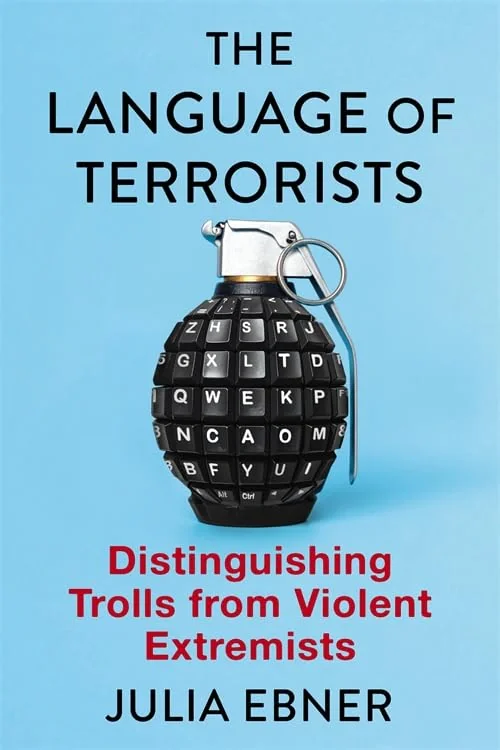
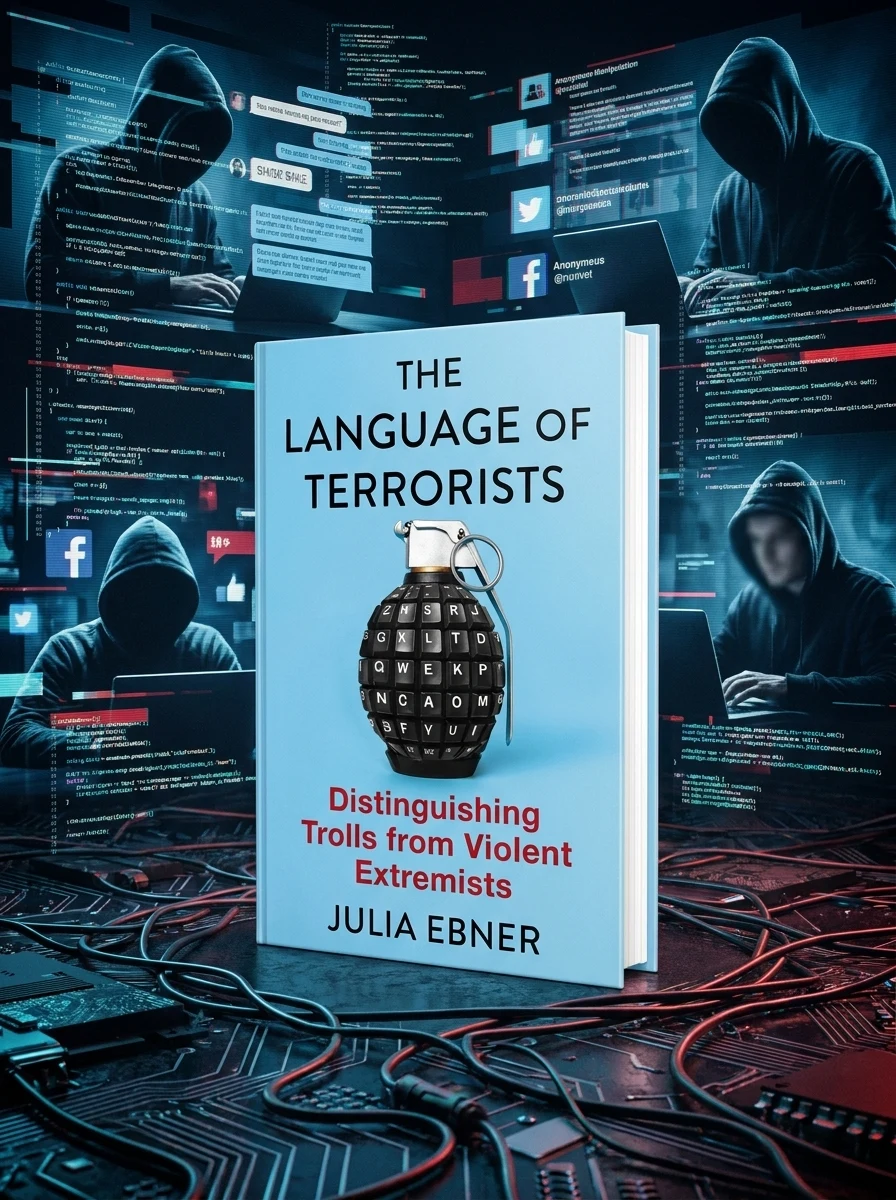
The Language of Terrorists. Distinguishing Trolls from Violent Extremists
Як відрізнити онлайн-тролів від справжніх терористів за мовними патернами та психологічними маркерами в маніфестах екстремістів.
«The Language of Terrorists» Джулії Ебнер досліджує, як мова розкриває наміри до насильства. Авторка аналізує тексти таких злочинців, як Брейвік і Таррант, виділяючи спільні риси їхніх маніфестів. Книга пропонує нову модель виявлення загроз для фахівців з безпеки та аналітиків.
Книга вийшла у видавництві «Columbia University Press» 2026 року.


📝 Опис книги: The Language of Terrorists. Distinguishing Trolls from Violent Extremists
If someone posts a death threat or a violent manifesto online, will they cross over from words to deeds? Explicit threats, intimidation campaigns, and incitements to violence are no rarity among white nationalists, incels, and other racist and misogynist extremists. Yet it is often difficult to determine whether they pose genuine risks, since the boundaries between trolling and true violent intent can be blurry. How can we tell the difference between online bluster and terrorist threats?
Julia Ebner—an internationally acclaimed expert on online radicalization—offers a fresh approach, showing how language patterns reveal the potential for political violence. She investigates the psychological underpinnings of texts by terrorists such as Anders Breivik, Dylann Roof, Elliot Rodger, and Brenton Tarrant, offering statistical and qualitative contrasts with nonviolent political writing. Ebner finds striking similarities among their manifestos, including the fusion of personal identity with the group, visceral othering of outgroups, narratives of existential conflict, and the glorification of violence. Following these trails, she demonstrates that perpetrators of extremist violence inadvertently give away their intentions in what they say. Featuring vivid writing and actionable conclusions, The Language of Terrorists presents a new model of violent threat detection that can address pressing challenges faced by the international security and intelligence communities.
Introduction
Part I. Trends and Challenges
Eris: When Is Someone a Terrorist?
Loki: When Is Someone a Troll?
Ceridwen: Understanding Shape-Shifting
Kek: Understanding Gamification
Sisyphus: Finding the Needle in the Haystack
Part II. Drivers and Detection
Of Pyramids and Staircases: The Evolution of Radicalization Theories
Fusion Effect: An Emerging Explanation of Violent Extremism
Guided Judgment: The Evolution of Professional Threat Assessment
Freudian Slip: Detecting Psychological Phenomena in Language
Verbal Leakage: Identifying Would-Be Attackers Via Language
Part III. Patterns and Prediction
Decoding Terrorist Manifestos
The Terrorist Mindset
Detecting Credible Threats
Case Study: Far-Right Groups
Case Study: QAnon Groups
Part IV. Solutions and Outlook
Lessons for Policy, Security, and Tech
Ethical Limits and Lessons from the Past
The Future of Threat Assessment
Conclusion
Acknowledgments
Methods Appendix
Notes
Index
Julia Ebner is the leader of the Violent Extremism Lab at the University of Oxford’s Centre for the Study of Social Cohesion and co–executive director at the Institute for Strategic Dialogue. She regularly advises governments, intelligence agencies, tech firms, and international organizations. Her books include Going Dark: The Secret Social Lives of Extremists (2019) and Going Mainstream: How Extremists Are Taking Over (2023).
"When is a joke just a joke, and when might it signal the next attack? Combining the rigors of anthropology and data analysis with a steely eye on multiple unfolding terrorist threats, Julia Ebner breaks new ground in separating the signal from the noise. Essential reading for threat analysts everywhere." - John Horgan, author of Terrorist Minds: The Psychology of Violent Extremism from Al-Qaeda to the Far Right
"Julia Ebner is widely recognized as one of the world’s leading experts on early detection of terrorism risk and this brilliant book shows why. A must-read for anyone who wants to understand the roots of violent extremism." - Harvey Whitehouse, author of Inheritance: The Evolutionary Origins of the Modern World
📖 Розбір книжки
📖 Погляд Mirava
Чому ця книжка нам подобається
Бо ця книга – справжній компас у сучасному інформаційному світі, де межі між жартом і небезпекою часто розмиті. Ви навчитеся розрізняти, де тонкий тролінг, а де – вже серйозна загроза, аналізуючи мову та психологію тих, хто стоїть за екраном. Це особливо актуально для молоді, батьків, вчителів, а також усіх, хто цікавиться безпекою в інтернеті, психологією поведінки та сучасними суспільними викликами. Якщо ви хочете краще розуміти, як маніпулюють словами в мережі, і як захистити себе та близьких від деструктивного контенту, ця книга – ваш надійний гід.
Це думка команди Mirava, складена за описом від видавця — не рецензія й не переказ відгуків.
⭐ Відгуки читачів
Оцінка читачів
У цифрову епоху, коли кордони між віртуальним і реальним світом стають дедалі розмитішими, вміння розрізняти тонкі нюанси онлайн-комунікації набуває критичного значення. Са́ме на цьому полі, на перетині лінгвістики, психології та сучасних загроз, розгортається захопливе дослідження Джулії Ебнер "Мова терористів. Розрізнення тролів від насильницьких екстремістів". Ебнер майстерно проводить читача крізь лабіринти онлайн-дискурсу, розплутуючи складні зв’язки між мовними патернами та психологічними профілями. Сила її роботи полягає в глибокому розумінні того, як слова, висловлені в цифровому просторі, можуть слугувати не лише для вираження думок, а й для маніпуляції, радикалізації та, зрештою, для підготовки до насильницьких дій. Автор не просто перераховує ознаки, а демонструє, як мова стає інструментом, що будує міст від банального тролінгу до реальної загрози. Це дослідження буде надзвичайно цінним для фахівців у галузі безпеки, психологів, соціологів, а також для всіх, хто прагне глибше зрозуміти природу сучасних конфліктів та механізми їх розповсюдження в мережі. Порівняти "Мову терористів" можна з детективною роботою, де кожне слово, кожна фраза є ключем до розгадки. Це та книга, що змушує переосмислити звичні уявлення про онлайн-спілкування, адже вона розкриває приховані мотиви та стратегії, які часто залишаються непоміченими. Однак, попри беззаперечну цінність, варто зауважити, що певні розділи, присвячені найновішим трендам у використанні мови екстремістами, можуть потребувати постійного оновлення, враховуючи стрімкий розвиток цифрового середовища. Це, скоріше, не недолік, а природна особливість дослідження такої динамічної теми.